Concrete Repair vs Replacement: Which Is the Better Option?
For concrete repair vs replacement, local service providers can help determine whether fixing cracks or replacing the entire slab best suits your needs.
Deciding between concrete repair and replacement is a common concern for property owners looking to maintain or restore their outdoor spaces. Whether dealing with cracks, uneven surfaces, or structural issues, understanding the differences can help in making an informed choice. This page is here to guide readers through practical considerations, such as cost, longevity, and the extent of damage, which often influence the decision-making process. Local contractors specializing in concrete services can evaluate the specific condition of a property’s concrete surfaces to recommend the most suitable approach, ensuring the work aligns with long-term durability and aesthetic goals.
For property owners in the area exploring options for concrete repair versus replacement, it’s important to weigh the benefits of each based on the current state of the concrete and the desired outcome. Repair options might be effective for minor issues, while replacement could be necessary for more extensive damage. Understanding these distinctions can help avoid unnecessary work and expenses. Keep reading to learn more about how local service providers can assist in assessing concrete conditions and delivering tailored solutions that fit each property’s unique needs.
- Concrete repair services are suitable when cracks, surface damage, or minor structural issues are present, and local contractors can assess whether repairs will restore the concrete’s integrity. Replacement services are often needed when concrete is severely deteriorated, heavily cracked, or has reached the end of its lifespan, with local pros handling complete removal and new installation. For those weighing concrete repair vs replacement: which is the better option depends on the extent of damage and long-term goals, with local service providers offering expert evaluations. Repair options are typically more cost-effective for minor issues, while replacement may be necessary for extensive damage that compromises safety or functionality. Consulting with local contractors can help determine whether repair or replacement best suits the specific condition and needs of the concrete.
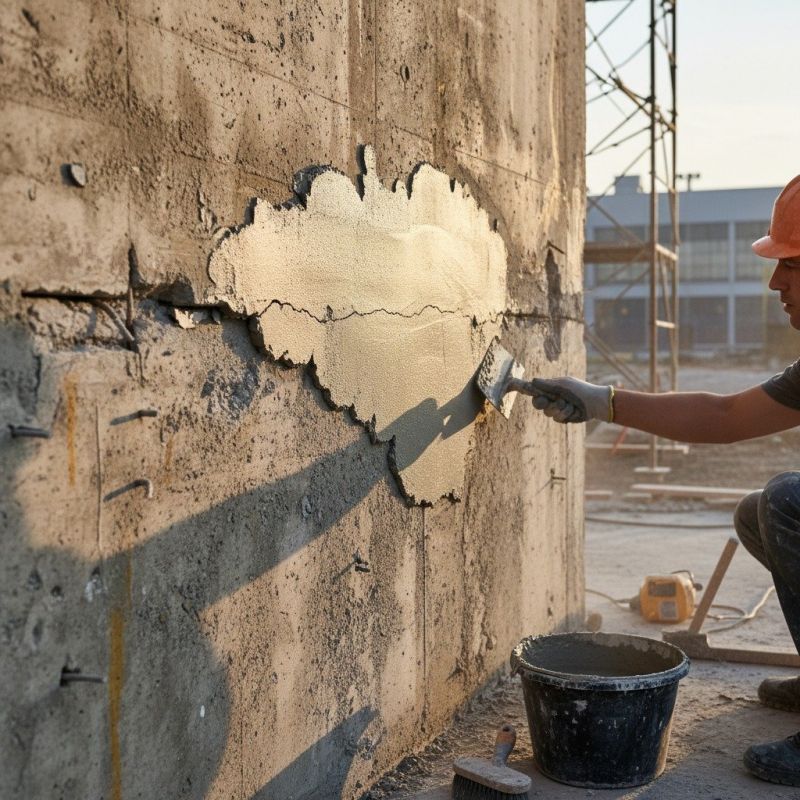
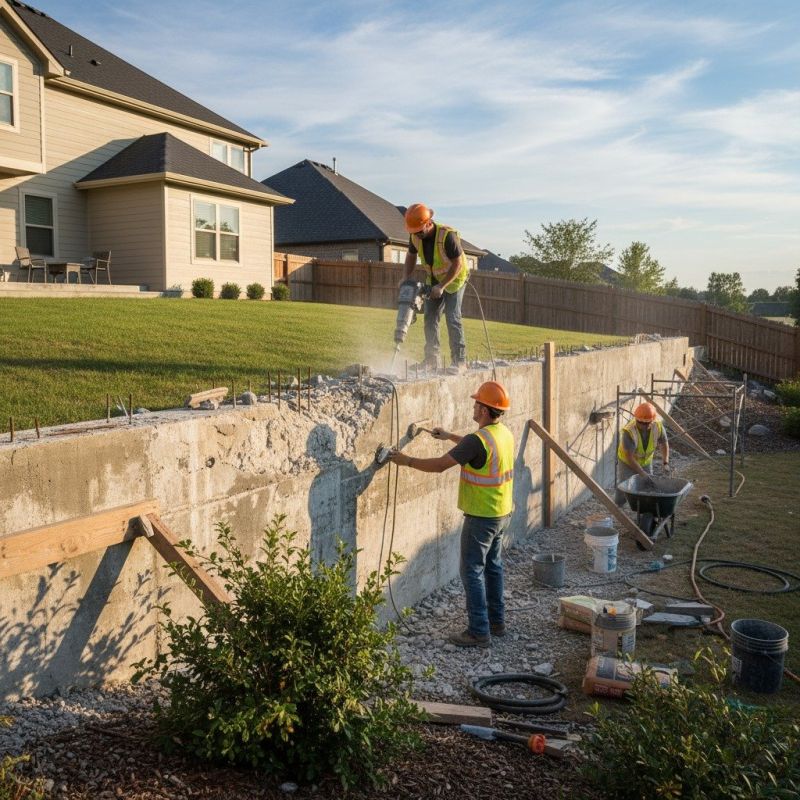
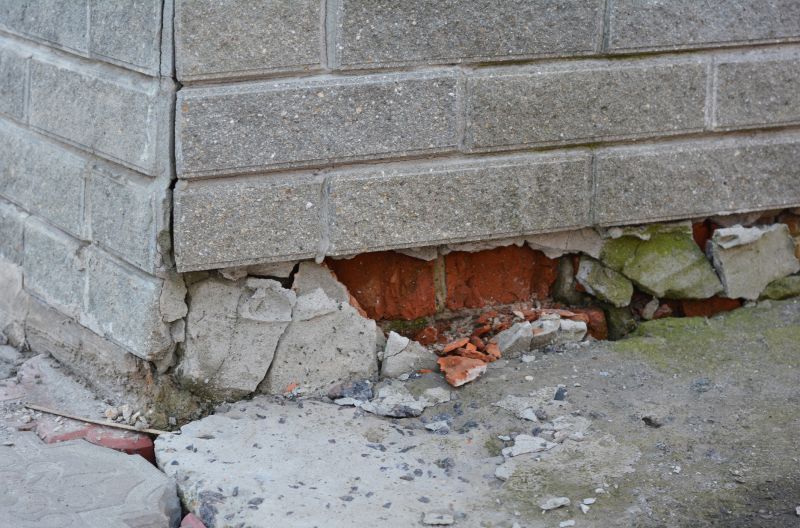
When homeowners search for information about concrete repair vs replacement: which is the better option?, they are typically trying to determine the most practical and cost-effective way to address issues with existing concrete surfaces. This often comes up when dealing with problems like cracking, spalling, unevenness, or deterioration in concrete structures such as driveways, patios, walkways, or garage floors. Property owners want to understand whether a simple repair can restore the surface’s appearance and function or if a full replacement is necessary to ensure durability and safety. The decision often hinges on assessing the extent of damage, the age of the concrete, and the long-term goals for the property.
The types of problems that lead homeowners to consider concrete repair or replacement are usually visible and tangible. Cracks that compromise the integrity of a driveway or sidewalk, surface scaling or flaking, and significant settling or heaving are common indicators that a concrete surface may need attention. Many property owners also plan renovations or upgrades that involve removing or replacing existing concrete to improve curb appeal or meet new functional needs. These projects can involve various property types, including residential homes, commercial buildings, parking lots, or industrial facilities, where the condition of concrete surfaces directly impacts safety, aesthetics, and property value.
Concrete repair and replacement services are often sought for properties that experience wear and tear over time, especially in high-traffic or exposed outdoor environments. Residential properties frequently encounter issues with driveways, patios, and basement floors, while commercial properties might need repairs for loading docks, walkways, or parking areas. The decision between repair and replacement depends on factors such as the severity of damage, the presence of underlying issues like soil movement, and the desired longevity of the surface. Local contractors who specialize in concrete work can evaluate the condition of existing surfaces and recommend the most suitable approach, whether that involves patching, resurfacing, or full removal and replacement.
Understanding how concrete repair compares to replacement helps homeowners make informed choices for their projects. Repair options, like sealing cracks, patching, or resurfacing, can be effective for minor to moderate damage and often cost less while restoring functionality. Replacement, on the other hand, may be necessary when damage is extensive, structural integrity is compromised, or the surface no longer meets the property’s needs. Local service providers can assess each situation, explain the benefits and limitations of repair versus replacement, and help property owners choose the approach that best fits their specific circumstances and goals. This ensures that the project results in a durable, safe, and visually appealing concrete surface.
Foundation Repair - foundation repair projects often require similar assessment, planning, and repair techniques as concrete repair or replacement to ensure stability and longevity.
Driveway Resurfacing - driveway resurfacing involves surface preparation and finishing skills comparable to those used in concrete repair and replacement services.
Sidewalk and Patio Restoration - restoring sidewalks and patios demands expertise in concrete surface work, making it related to concrete repair and replacement projects.
Garage Floor Coating - applying coatings to garage floors involves surface preparation and sealing processes similar to concrete repair work.
Industrial Flooring Installation - installing durable industrial floors requires planning and concrete handling skills akin to those used in concrete replacement projects.
Structural Crack Repair - addressing structural cracks in concrete shares techniques and planning approaches with concrete repair services offered by local contractors.
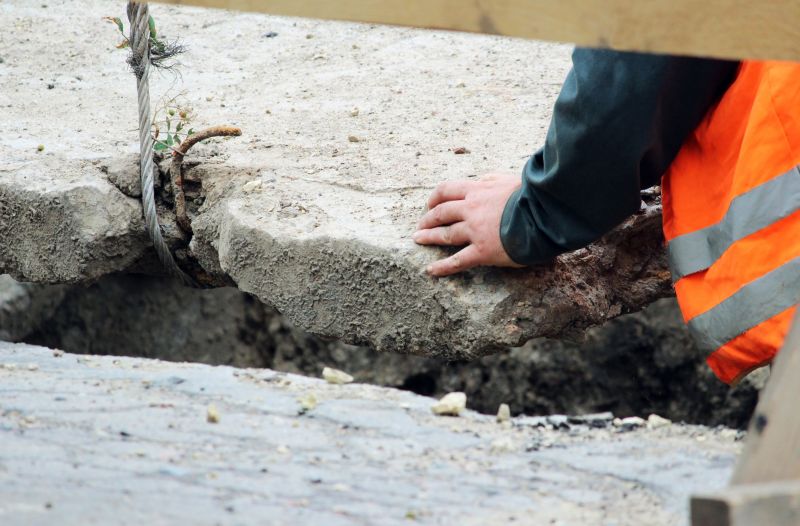
When evaluating concrete repair versus replacement, it’s important to consider the experience of local contractors with similar projects. Contractors who have handled repairs or replacements of comparable scope and type can provide insights into what works best for your specific situation. Their familiarity with different concrete issues-such as cracks, spalling, or settling-can influence the recommended approach. Asking about past projects and the types of repairs or replacements they have performed helps ensure that the service providers you consider are well-versed in managing issues similar to yours.
Clear, written expectations are essential when comparing local service providers for concrete work. A reputable contractor should be able to explain the differences between repairing and replacing concrete, including what each process entails, potential benefits, and limitations. Detailed proposals that outline the scope of work, materials used, and any necessary preparations or follow-up steps can help clarify what to expect. This transparency supports an informed decision, especially when weighing whether repairs will suffice or if a full replacement might be more appropriate in the long run.
Reputable references and effective communication are key factors in selecting the right contractor for concrete repair or replacement. Service providers who can offer references from previous clients demonstrate a track record of satisfied customers and successful projects. Good communication throughout the process ensures that questions are answered, concerns are addressed, and project details are clearly understood. These qualities contribute to a smoother experience and help ensure that the chosen contractor can deliver results aligned with the homeowner’s expectations when deciding between repair and replacement options.
Property owners often search for concrete repair vs replacement: which is the better option? when they are planning practical projects around their homes and businesses. Local pros provide Concrete Repair or Replacement services for everyday jobs and straightforward project options.
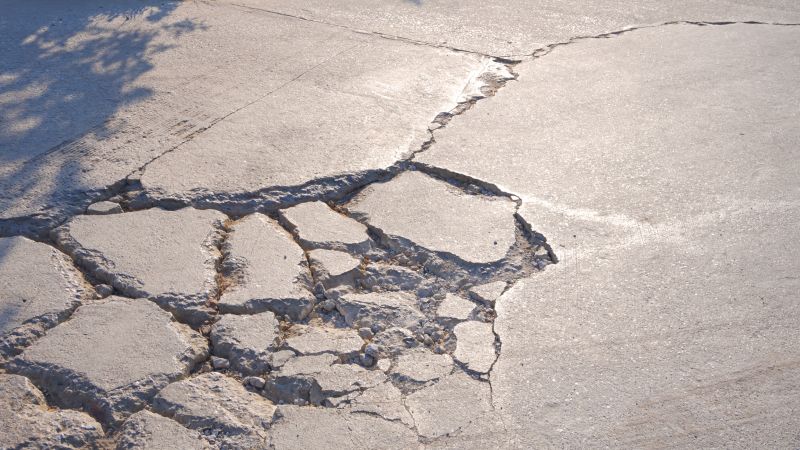
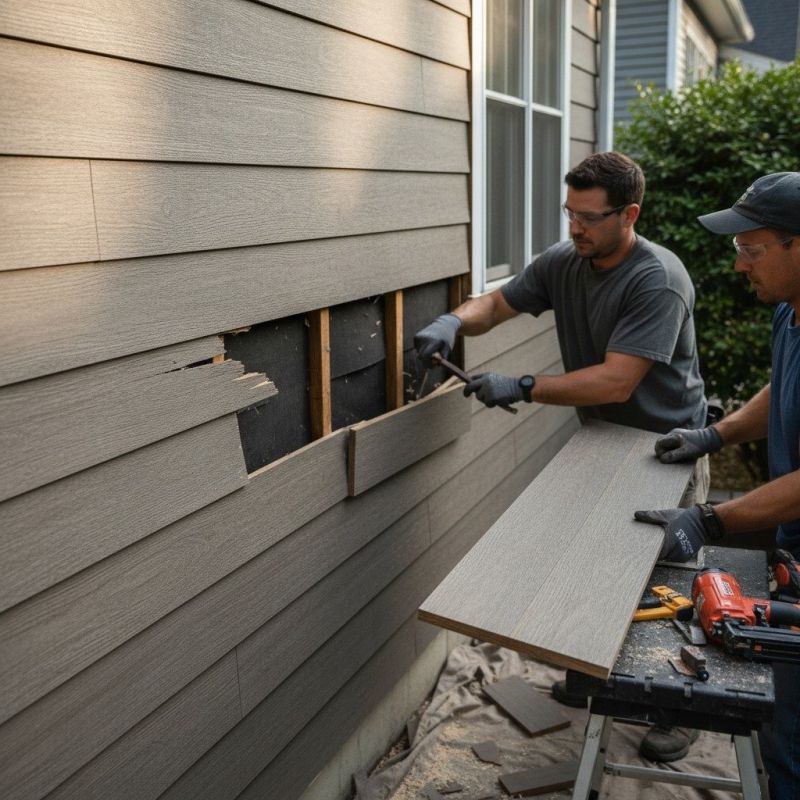
When concrete surfaces develop cracks, unevenness, or signs of deterioration, property owners often wonder whether concrete repair or replacement is the best solution. For many everyday projects, choosing repair can be a practical way to address minor issues without the need for a full overhaul. Local contractors who specialize in concrete repair can often fix surface cracks, spalling, or staining efficiently, helping to restore the appearance and functionality of the existing concrete. This approach tends to be less disruptive and more budget-friendly, making it a common choice for homeowners and business owners dealing with localized damage.
On the other hand, concrete replacement might be considered when damage is extensive or structural integrity is compromised. If the concrete has severe cracking, widespread deterioration, or has become unsafe, local service providers can handle the removal and installation of new concrete. This option can provide a fresh start and ensure long-term durability, especially in cases where repair would not adequately restore the surface. Whether repair or replacement is the better option often depends on the extent of damage and the specific needs of the project, with local contractors able to evaluate and recommend the most suitable approach.
When should concrete repair be considered instead of replacement? Concrete repair is often suitable when damage is limited to surface cracks, minor spalling, or small areas, making it a cost-effective way to restore the existing concrete. Local contractors can evaluate the extent of damage to determine if repair will suffice or if replacement is necessary.
What are the advantages of choosing concrete repair over replacement? Repairing concrete typically involves less disruption, lower costs, and quicker completion compared to replacement. It also preserves existing structures and can extend the lifespan of the concrete when properly maintained by local service providers.
Can concrete replacement be avoided with repairs in all cases? Not always. Extensive damage such as deep structural cracks, severe spalling, or compromised foundation support may require full replacement. Local pros can assess whether repairs will provide a durable solution or if replacement is the better option.
How do local contractors determine whether to repair or replace concrete? They evaluate factors like the extent and type of damage, age of the concrete, and its current condition. This assessment helps decide if repairs will be effective or if a full replacement is necessary for long-term stability.
Is concrete repair a permanent solution compared to replacement? Repair can effectively restore concrete for many years if the damage is minor and properly addressed, but replacement may be needed for severe issues. Local service providers can recommend the most appropriate approach based on the specific situation.
Assessing damage severity - Property owners can evaluate whether cracks or surface issues are minor enough for repair or if replacement is necessary, with guidance from local contractors.
Considering long-term durability - Deciding between repair and replacement involves understanding which option offers better longevity based on the current condition of the concrete.
Matching project scope - Homeowners can plan projects by determining if localized repairs will restore functionality or if a full replacement will be more effective for extensive damage.
Exploring repair options - Consulting with local service providers about repair techniques can help determine if surface fixes will suffice or if structural replacement is the better solution.
If you are thinking about concrete repair vs replacement: which is the better option? for a property, this guide is meant to help you understand this topic, the typical project types, and how different options might fit your plans.
When you are ready, you can use the quote form on this page to share a few details about your project. From there, local pros can review the basics and follow up with options that match what you have in mind.